Timber framing is a construction technique that dates back to the early days of human civilization. It involves using large wooden beams to create the framework of a building, with smaller wooden members filling in the spaces between them. While it may seem like an ancient and outdated technique, timber framing has experienced a resurgence in popularity in recent years, thanks in part to its many benefits. In this article, we’ll explore the benefits of timber framing in construction and why it may be the right choice for your next building project.
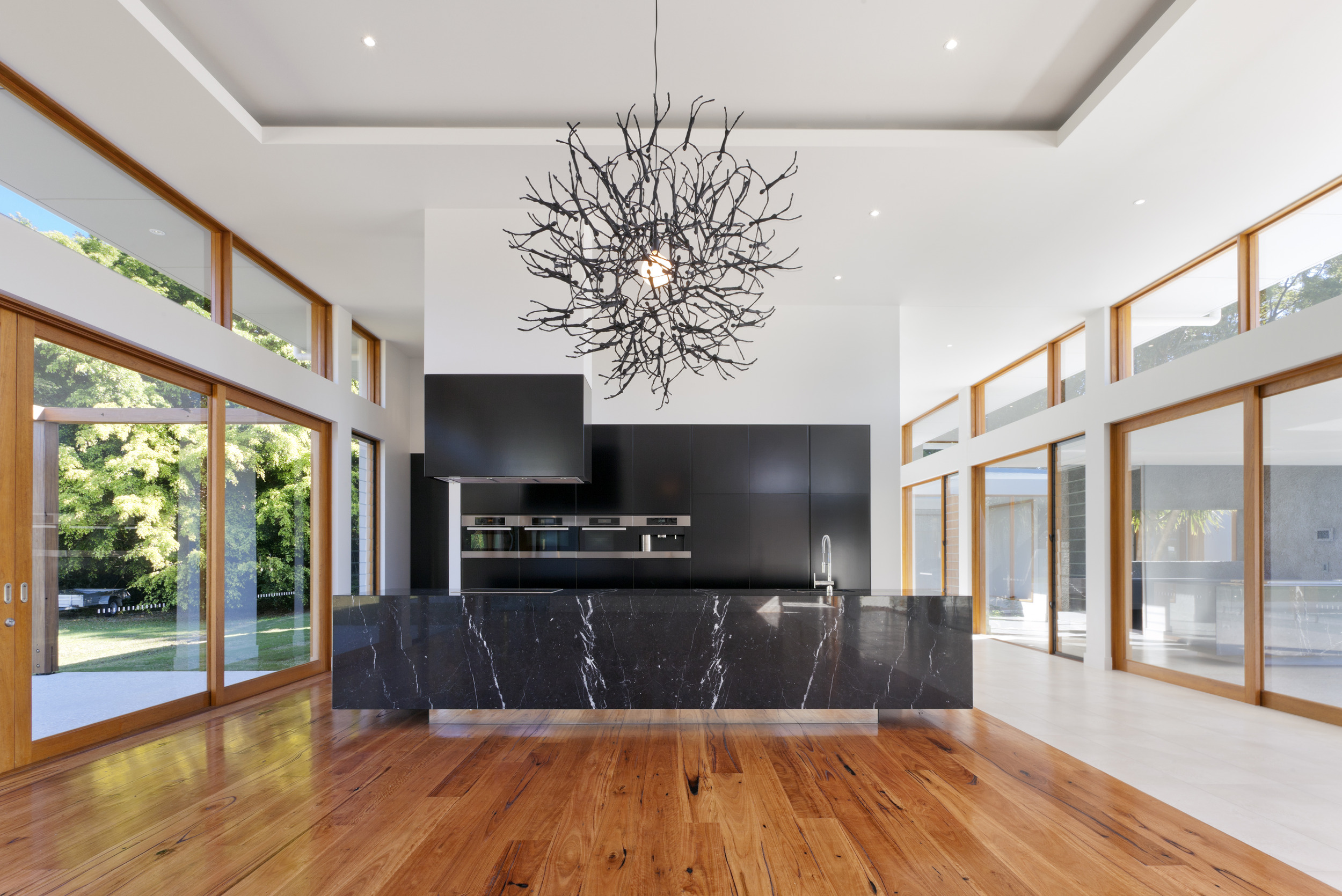
One of the most significant benefits of timber framing is its durability and strength. Wooden beams are incredibly sturdy and can support heavy loads over long periods without deteriorating. Unlike steel or concrete, wood is also a natural insulator, which means that buildings constructed using timber framing are often more energy-efficient than those built with other materials. This durability and strength mean that timber-framed buildings can last for centuries, making them an excellent investment for homeowners and businesses.
Another benefit of timber framing is that it is a sustainable building technique. Wood is a renewable resource, and with proper forest management, it can be harvested in a way that is both environmentally friendly and economically viable. Additionally, wooden buildings can be recycled, repurposed, or even used as a source of fuel at the end of their life. Timber framing is an excellent choice for those who are looking for a building method that is environmentally responsible./
Timber framing is not just practical; it is also beautiful. The natural texture and warm tones of wood give a building a unique and timeless appearance that other building materials cannot replicate. Additionally, timber framing allows for a level of artistic expression that is not possible with other materials. Skilled carpenters can create intricate patterns and designs that add character and interest to a building’s façade.
Despite the initial cost of sourcing and cutting the timber, timber framing can be an incredibly cost-effective building technique. The prefabricated nature of the wooden components means that construction time is significantly reduced, which can lead to lower labor costs. Additionally, the energy efficiency of timber-framed buildings can result in lower heating and cooling costs over the life of the building.
Another benefit of timber framing is its design flexibility. Timber can be cut and shaped to create a wide variety of architectural styles and shapes. Additionally, timber frames can be prefabricated off-site and assembled on-site, which can help to speed up construction time and reduce costs.
Timber framing is not just good for the environment and the wallet; it is also good for human health. Wood is a natural material that is free from the harmful chemicals and toxins often found in other building materials. This means that timber-framed buildings are healthier to live and work in, especially for those with allergies or sensitivities to synthetic materials.
Timber framing is an excellent choice for those who are looking for a sustainable, durable, and aesthetically pleasing building technique. Its natural strength, cost-effectiveness, and fire-resistant properties make it a great investment for homeowners and businesses. Additionally, the health benefits of living and working in a wooden building cannot be overstated. If you are looking for a building method that is both practical and beautiful, timber framing may be the right choice for you.